SUMMARY
Casting speed plays a fundamental role in the centrifugal casting processes. In fact, in case the flasks didn't reach optimal mechanical properties during calcination, there could be the risk of flaking or even breaking of the investment during pouring. For this reason, investment's quality and the accurate control of each working step, of it represent a key factor for the final quality of the items.
PROBLEM
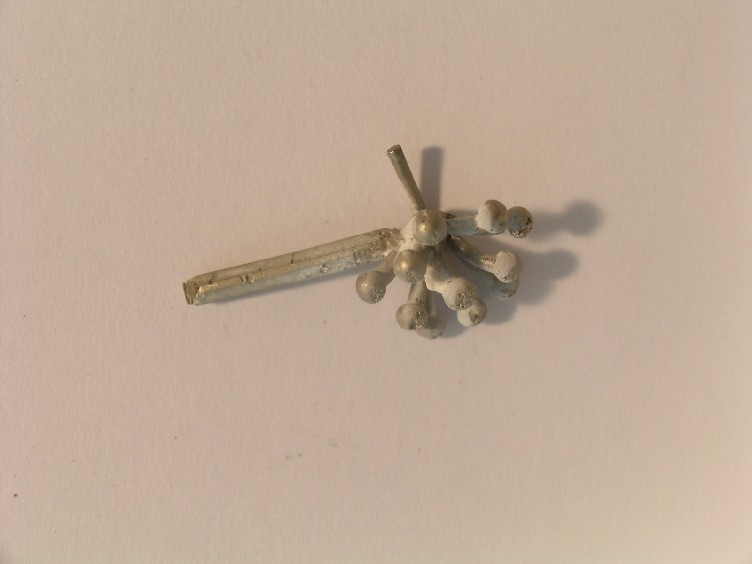
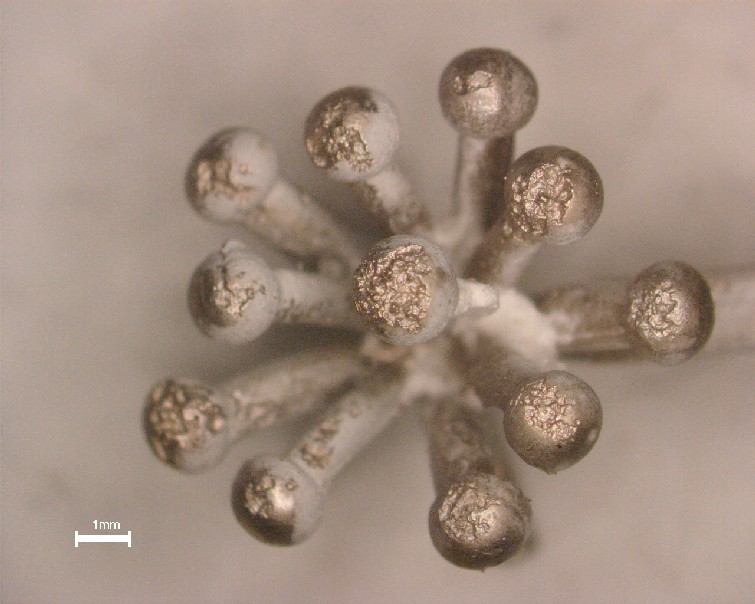
In this case was analyzed an item presenting a superficial macroporosity. This defect was all over those places that, during casting were on the external part in touch with the mould itself. By the analysis made in our laboratory, it has been possible to noticed that the shape and the positioning of the defect were due to the detachment of the investment from the mould, a typical problem of the continuous casting processes.
The speed given to the metal from a centrifugal machine is higher than the one produced by a static machine: the metal fills the mould with an extremely turbulent motion. In this way, some erosive phenomena of the investment or even flakings and breakings of parts of the investment can take place. The metal therefore grabs and takes away the investment which, during polishing, leaves pores like those represented in the following figures.
SOLUTION
To solve the surface macroporosity problem due to the investment's detachment, it is necessary to make sure that the investment itself has the best possible mechanical properties. For this reason it is important to:
- ensure that the proportion between water and investment is correct, following the instruction supplied by the investment producer
- check that the temperature reached is the correct one for the calcination cycle, about 750°C, and pay attention that this last one is kept for enough a long time for the flasks to get homogeneously heated (therefore for at least four hours long).