SUMMARY
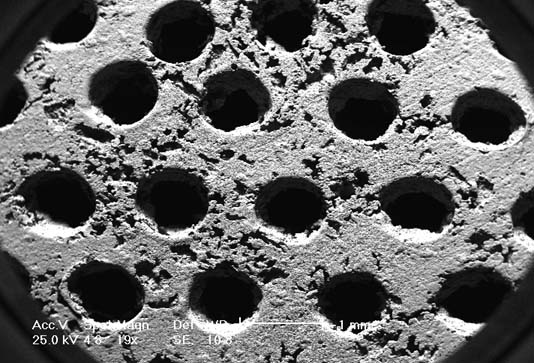
Gas porosity is one of the most common defects that can be found during investment casting. There are several possible causes, such as reactions of the metal with plaster or carbon residues, or gases trapped inside the mould. With problems of this type there are several aspects to consider.
PROBLEM
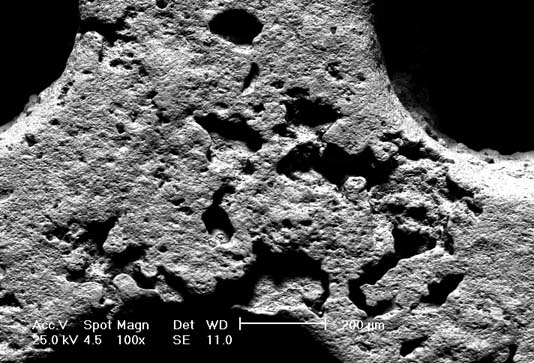
In the case under consideration, the problem is caused by the presence of gas on the surface of the mold during the solidification phase of the metal.
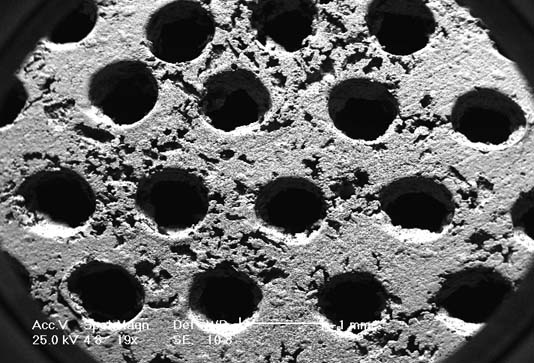
This defect can result from several causes:
- the incomplete elimination of the wax (carbonaceous residues), which is burned during casting with the consequent production of gases, which, expanding, produce the defect.
- The decomposition of gypsum due to the high temperature of the metal can also produce gas during the solidification of the alloy
- inadequate operation of the vacuum casting machine: if it fails to produce a complete vacuum (e.g. due to dirty air filters or air filters that need to be replaced), the air that has not been evacuated remains inside the mold, where it will then be replicated in the metal during the casting phase
SOLUTION
To avoid gas porosity, it is very important:
- Make sure that the wax is completely drained (so check the wax monitoring, so that all the wax must be expelled)
- Be sure that the gypsum has the highest chemical resistance to high temperatures. This is the basis for obtaining a high quality gypsum and correct calcination.
- Pour into cylinders at the lowest possible temperature (but not below 450°C).
- Check that the caster ensures complete evacuation of the chamber.