SUMMARY
The use of raw materials with a low pureness standard or external pollution phenomena can give place to hard spots defect. This kind of problem jeopardizes the whole company production, since contamination can propagate to all precious metal present at the same time in the company. Therefore, the purchase of high purity material, the use of reliable supplies and of proceedings which allow to avoid the possibility of pollutions and contaminations among different kinds of production are necessary.
PROBLEM
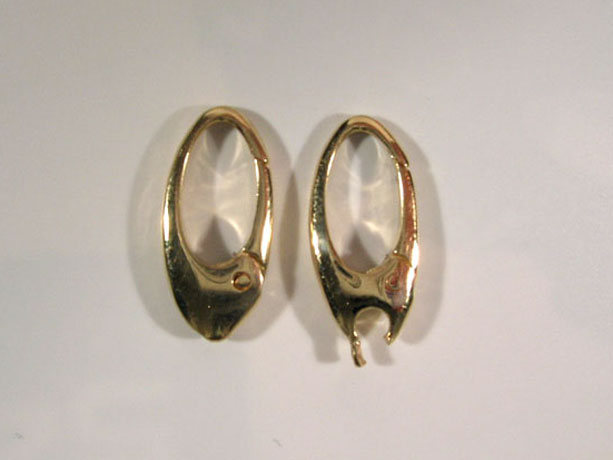
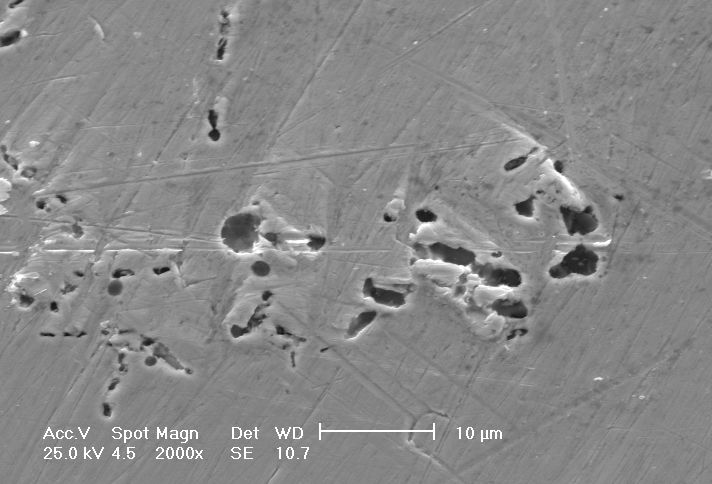
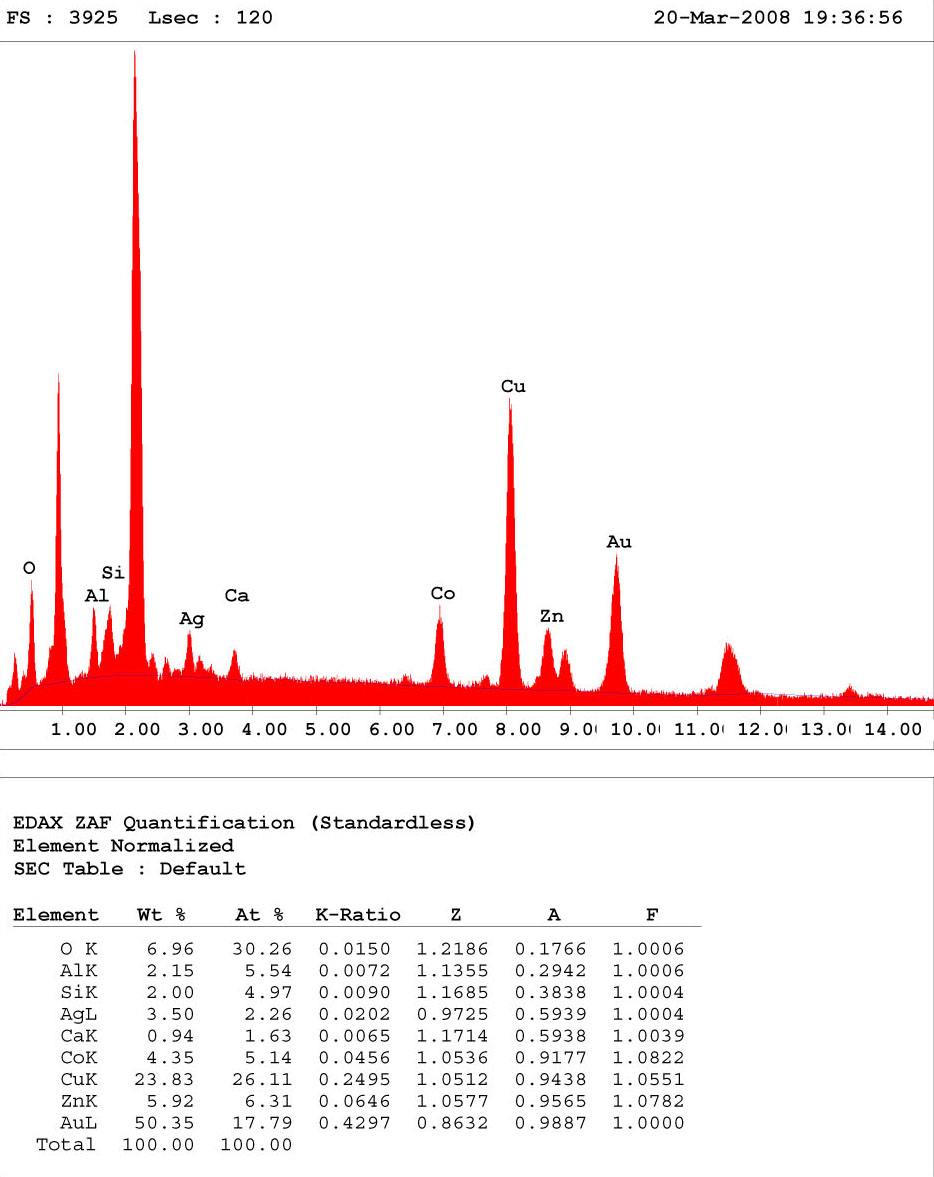
The presence of foreign elements to the original material can give birth to a whole series of chemical physical phenomena which compromise the items final quality. An example is given by the formation of hard spots with a subsequent comet effect, noticeable after the superficial finishing phase only.
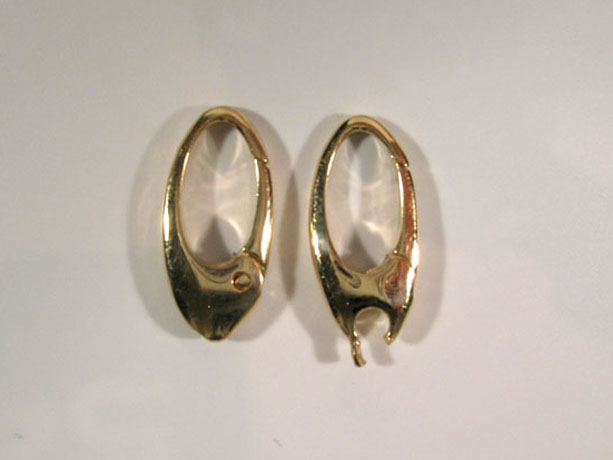
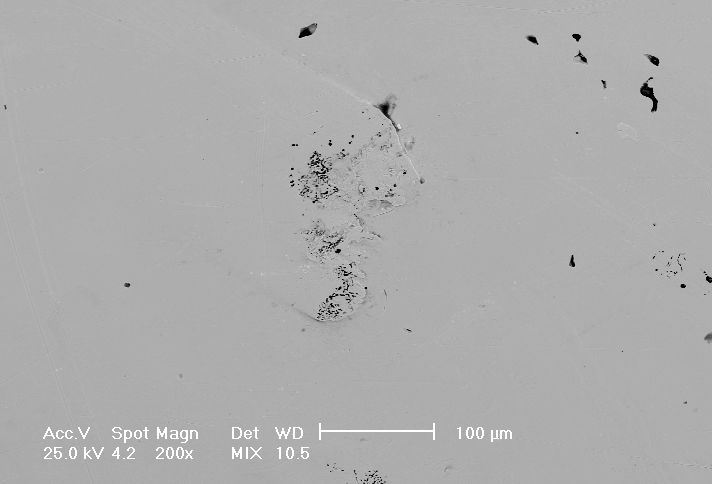
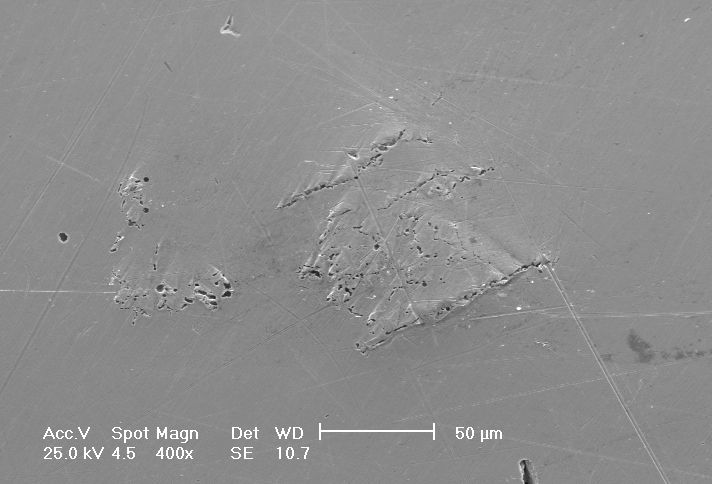
In most cases this kind of problem is due to elements foreign to the master alloy used; in fact, they can either derive from Gold of purity lower than 99.99%, or from pollutions caused by the reuse of materials coming from different production lines. Rather frequent is the pollution due to the use of the same crucibles for casting different alloys. Such polluting elements, with the right conditions, may form some compounds of intermetallic nature, which have typically very high hardnesses and melting ranges. Once formed, it will not be therefore possible to come back to a defectless situation, except by refining all the material present in the company.
SOLUTION
To obviate this kind of problem, it is advisable to:
- always use gold of high pureness, that is marked 99.99%;
- use different tools (crucibles, mixers) for different kinds of material;
- pay close attention to the use of scraps coming from workings potentially polluted (such as continuous casting or workings by machine tool).