SUMMARY
In any casting process the mould is of fundamental importance for the success of the items. In fact, it is the first element the metal comes into contact with during casting, and it is at the same time, responsible for the items' final shape. A defect on the mould will certainly be replied on the manufactured item. That's why very close attention has to be paid during investment's stocking, mixing, preparation and burnout cycle.
PROBLEM
At least 30% of defects faced in items produced by investment casting is due to problems caused by the mould. Any problem, imperfection, lack of this last one, is instantly replied and amplified by the metal, making this way the item to be useless.
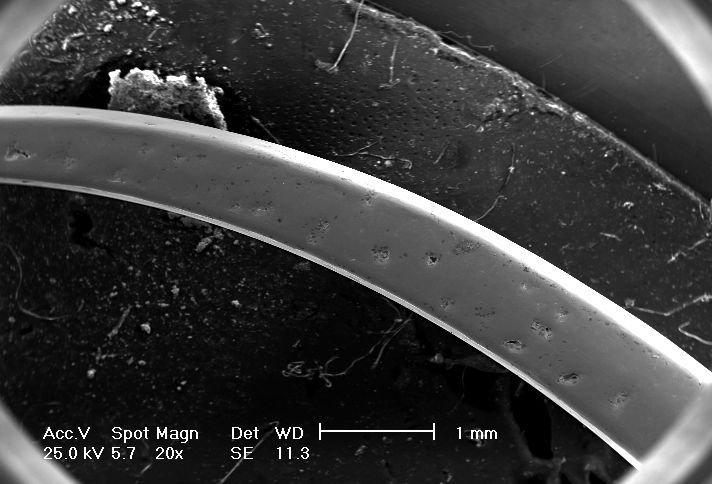
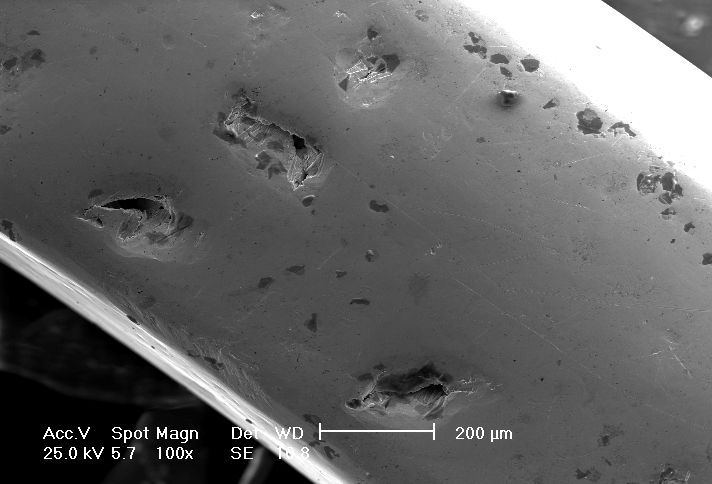
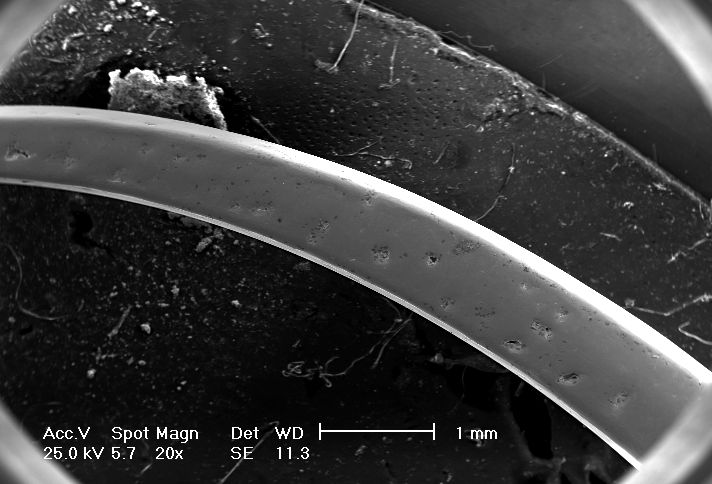
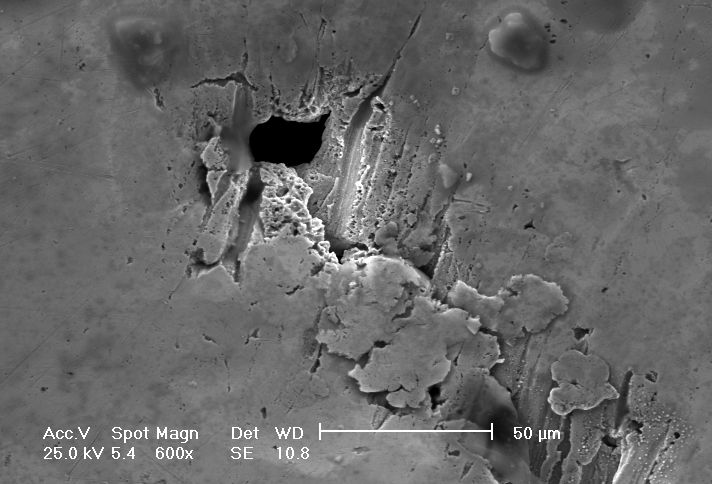
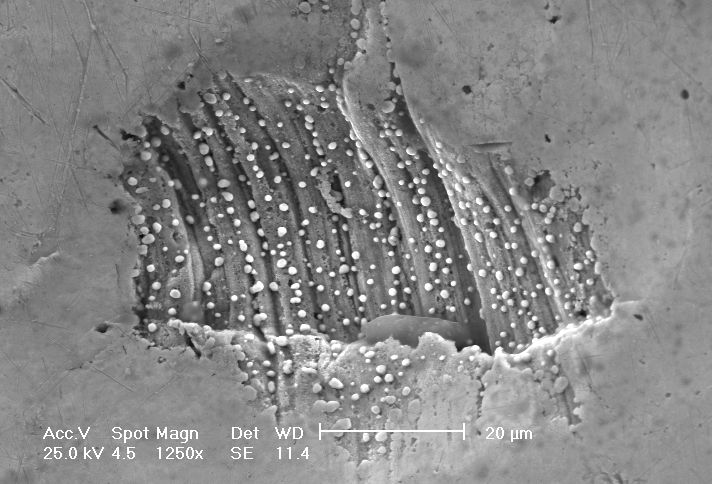
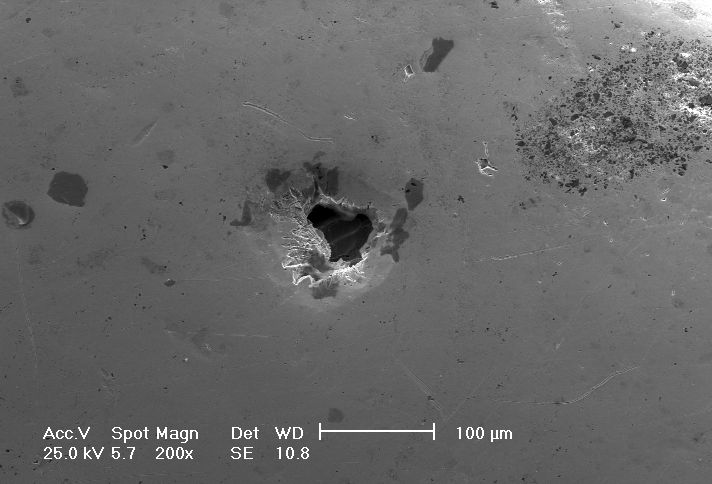
Porosities deriving from investment's problems can show themselves in different ways, for example superficially or just under the first surface, they can appear and disappear without apparent reasons, making therefore instable the whole production process. Porosity has often noticeable sizes, making unfortunately difficult even the items' repair (by laser). Factors which have to be considered for the correct production of investments are different: the first one is the base quality of the mixture purchased, but you should not forget the importance of stocking conditions, production date, mixing and burnout cycle and, last but not least, the tree's assembly geometry. Investment casting operation, during the first casting phases, involves the entrance of metal at elevate speeds inside the mould. In case there were some weak parts, these can break, causing fragments of more or less macroscopic sizes, which leave then their mark on the surfaces. Brittleness, besides being caused by morphologic aspects (i.e. holes or joints not carefully smoothed were left), can be caused by investment with low mechanical features as well. This derives, as previously mentioned, from quality of the powder used, but can also be influenced by an incorrect water-investment ratio. Such parameter does not depend on water amount only, but also on factors such as humidity absorption by the investment over the time passed after production: so, stocking in dry environments and using fresh investment can help reducing this kind of problem. Besides detachment phenomena, a low quality investment can also lead to a strong chemical reaction of decomposition when gets into contact with heat metal. Such reaction's effect is the formation of a gas and the subsequent appearance of small size porosity spread all over the final product's surfaces.
SOLUTION
To avoid the onset of this kind of problem, we suggest to pay particular attention to used investment and to its preparation. In particular, it is advisable to:
- assemble correctly the wax models, avoiding leaving holes, indented areas, sharp edges or surfaces too much thin;
- always use excellent quality investment; mix water-investment in a proportion of 37-39% (anyway, it is important to make reference to the instructions supplied by investment producer); besides, we suggest the use of demineralised water and at constant temperature;
- use a mixer allowing vacuum mixing and flasks' vibration during filling;
- carry out a correct burnout cycle, which should always be enough long in order to avoid thermal stresses to the investment;
- stock the investment in an environment under controlled atmosphere and never use investment older than 6 months.