SUMMARY
The most influential variables are the architecture of the shaft and the temperature.
PROBLEM
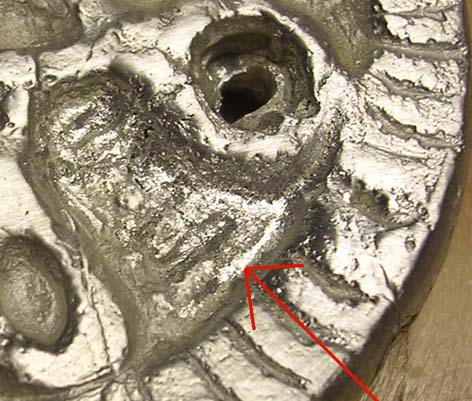
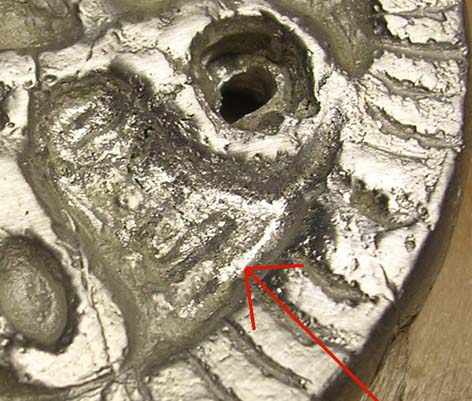
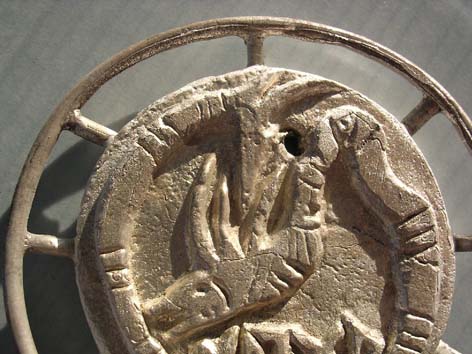
The problem manifests itself in the form of shrinkage porosity after the melting of heavy elements (about 150gr).
SOLUTION
First of all, the arrangement of the feeders must be carefully prepared, with small gates to allow a good flow of metal.
Usually, shrinkage porosity is reduced by increasing the cylinder temperature to the maximum values (no more than 700°C) and decreasing the casting temperature as much as possible.
Particular attention must be paid not to use Gallium, which usually generates a second phase at low melting temperatures, thus increasing shrinkage porosity.