SUMMARY
Sometimes, well positioned feeders are not sufficient to guarantee the proper solidification of an item: in fact there are other fundamental factors to take into account, such as the size of the feeders.
PROBLEM
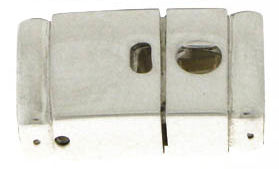
In the case at issue, some silver items affected by a diffused porosity were analyzed. They were medium size clasps, items not easy to produce by investment casting.
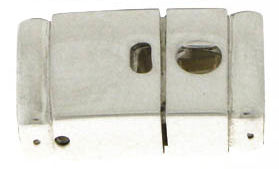
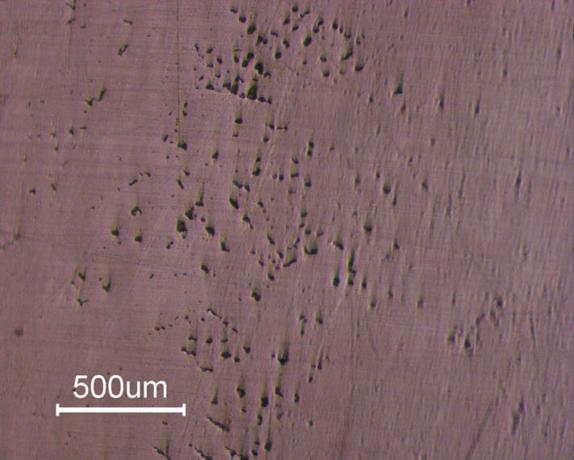
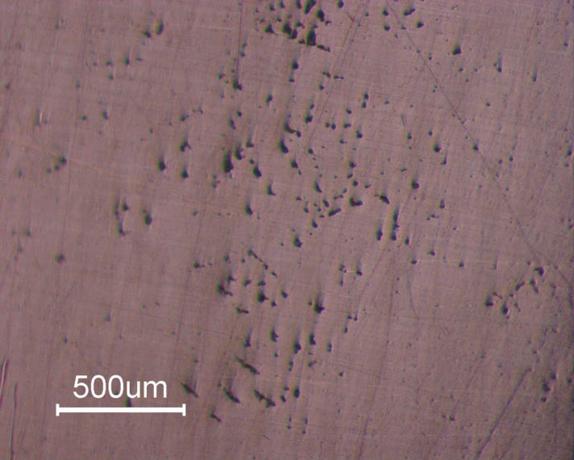
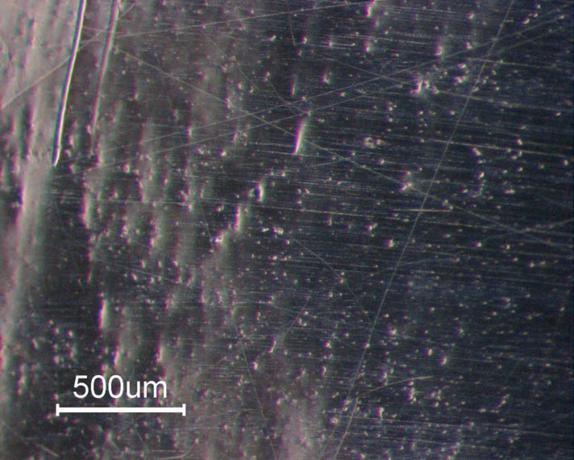
The clasps were observed under the stereoscope. The porosities displayed the irregular and slightly oblong morphology typical of shrinkage porosity, defect that is usually cause by an alteration of the thermodynamic equilibrium of the pieces during solidification. Therefore, after checking the temperatures used for casting, the wax patterns were studied, starting from which the silver items were produced.
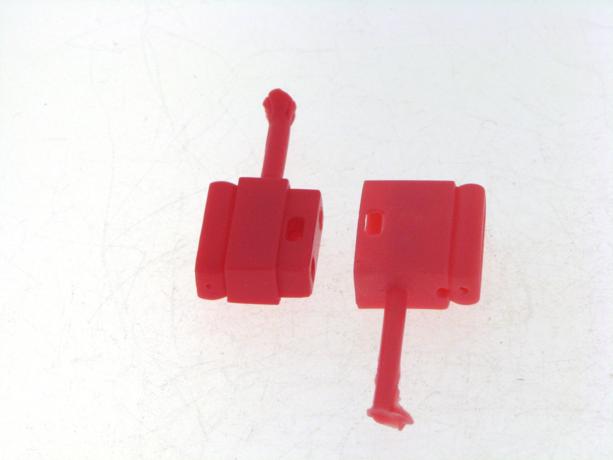
As you can see from the last Figure, the wax patterns were well built and the feeders were applied in an ideal position. Therefore, the problem should rise from somewhere else and in fact it was individuated in the feeders diameter: precisely, feeder with a too small diameter may solidify before the piece, causing in this way the rise of shrinkage defects.
SOLUTION
To solve this kind of problem, it is advisable to:
- first of all, check the right positioning of the feeders onto the pieces;
- try to increase the diameter of the applied feeders;
- in case, try to use some tanks close to the areas where usually the problem rises.