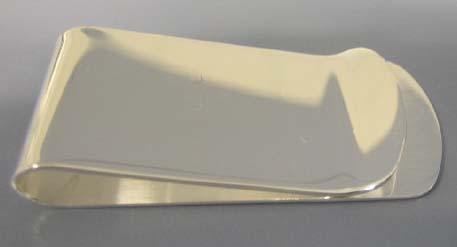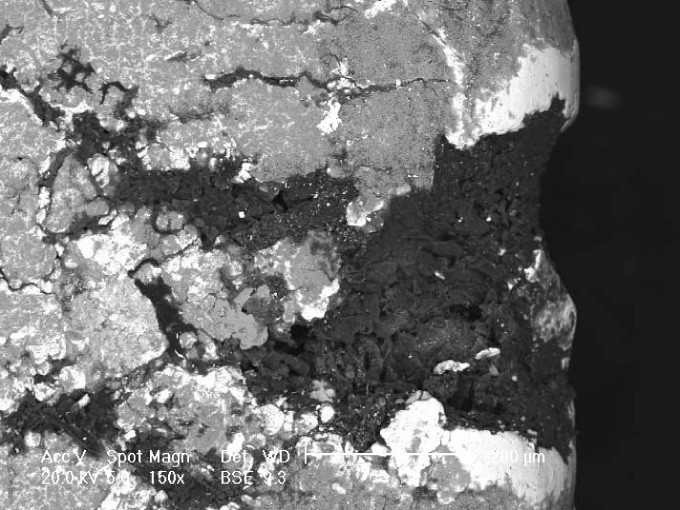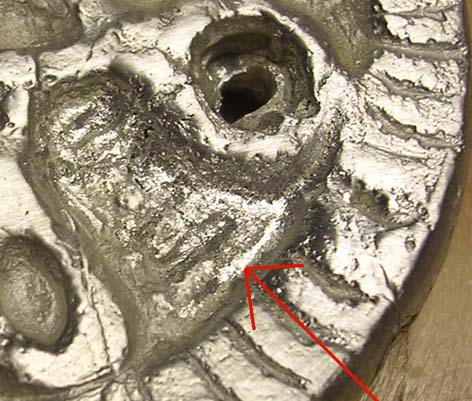
What can stains on coated silver surfaces depend on?

What can stains on coated silver surfaces depend on?

Silver plating surface stains can compromise the appearance of finished components even when the underlying material is defect-free. This case study explains how contamination, insufficient cleaning and plating bath conditions can lead to staining and incomplete silver coverage. Read the full analysis to learn how to prevent these issues.

Read more
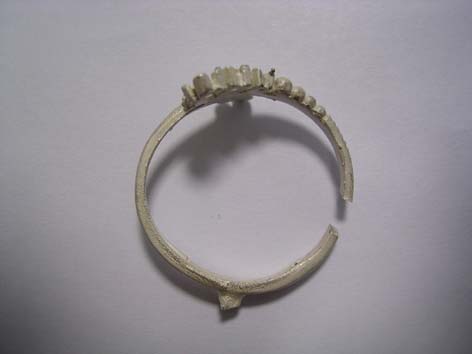
Diffuse fractures on rings produced by gas pipe

Diffuse fractures on rings produced by gas pipe

Graphite inclusions in continuous casting can significantly reduce the mechanical strength of metal profiles and lead to unexpected ring breakage during manufacturing. This case study explains how graphite particles from worn dies and crucibles become embedded in the alloy and create weak points within the material. Read the full analysis to discover how to prevent this defect.

Read more
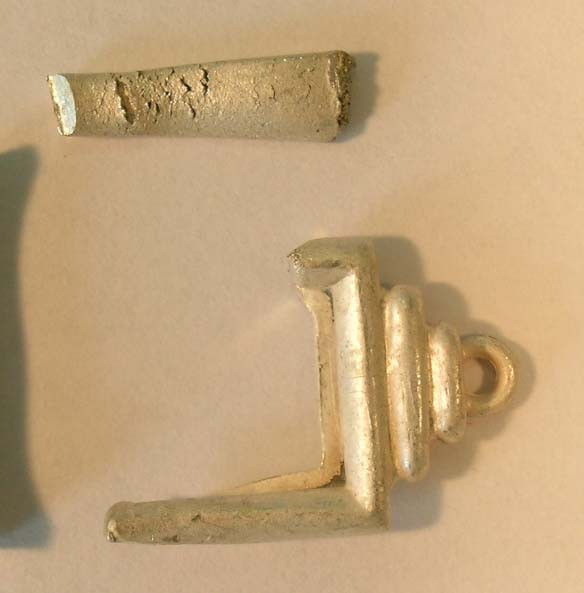
Stains on the surface of the rings

Stains on the surface of the rings

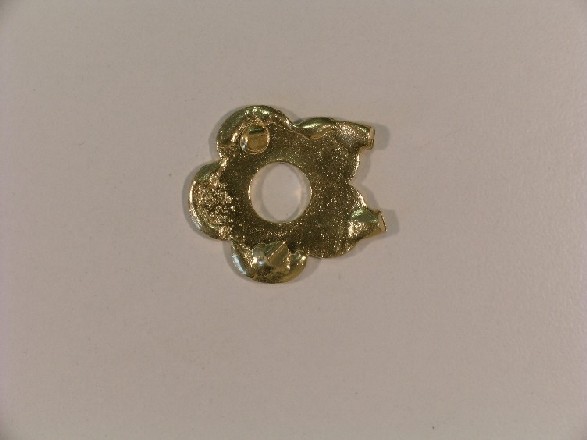
Acid corrosion in red gold can appear months after production, causing stains that compromise the appearance of finished jewelry. This case study explains how microporosity can trap acid residues and trigger delayed corrosion phenomena. Read the full analysis to learn how to identify and prevent the problem.

Read more
Influence of the quality of deformation processes and heat treatments on the mechanical and microstructural properties of the material

Influence of the quality of deformation processes and heat treatments on the mechanical and microstructural properties of the material

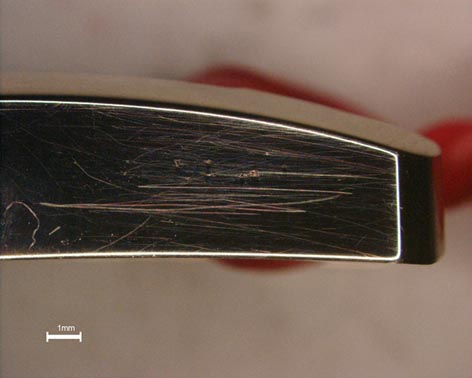
White gold spring embrittlement can prevent components from achieving the elasticity and mechanical performance required in production. This case study explains how insufficient deformation and incorrect heat-treatment conditions can limit hardening effectiveness and reduce spring performance. Read the full analysis to discover how to restore optimal mechanical properties.

Read more